Choosing the Right Enclosure

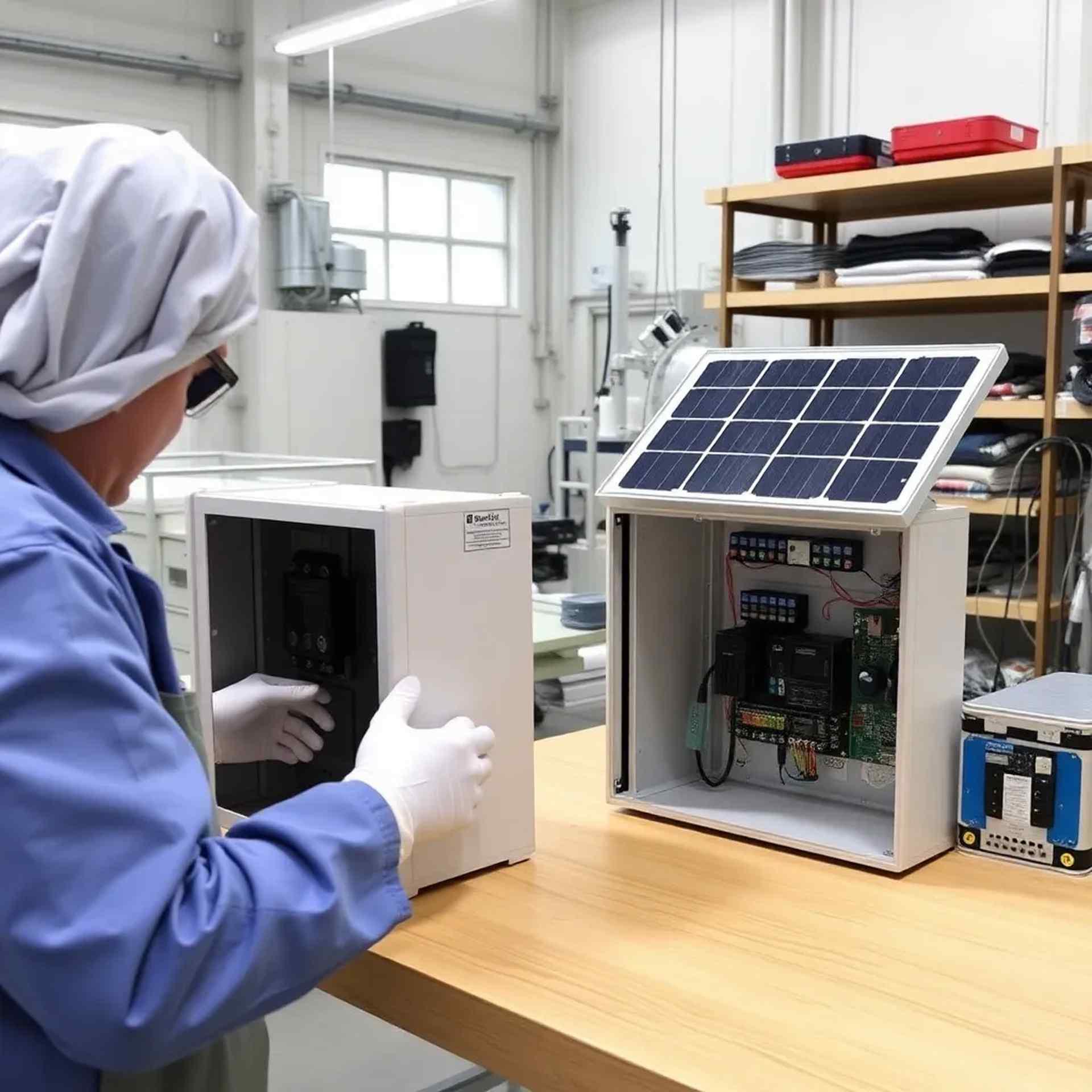
How to Choose the Right Solar Controller Enclosure

Selecting the appropriate enclosure size and rating is critical for system longevity. Learn the key factors to consider when matching enclosures to your solar installation.

Read More →

Understanding Your Requirements

Before selecting an enclosure, assess your solar controller specifications, installation environment, and future expansion needs. The right enclosure protects your investment while allowing for proper ventilation and accessibility.

Key Selection Criteria

  • Controller Size: Measure your controller dimensions and add 20-30% clearance for wiring and heat dissipation
  • IP Rating: IP65 minimum for outdoor installations in Malaysia's tropical climate
  • Material: UV-resistant polycarbonate for residential, ABS or fiberglass for commercial applications
  • Ventilation: Ensure adequate airflow to prevent overheating while maintaining weatherproof integrity
  • Cable Management: Pre-drilled glands save installation time and maintain IP rating

Climate Considerations for Malaysia

Malaysia's high humidity and UV exposure require specialized materials. Our enclosures are tested for continuous operation at 85% humidity and direct sunlight exposure. Always choose materials rated for tropical conditions to avoid premature degradation.
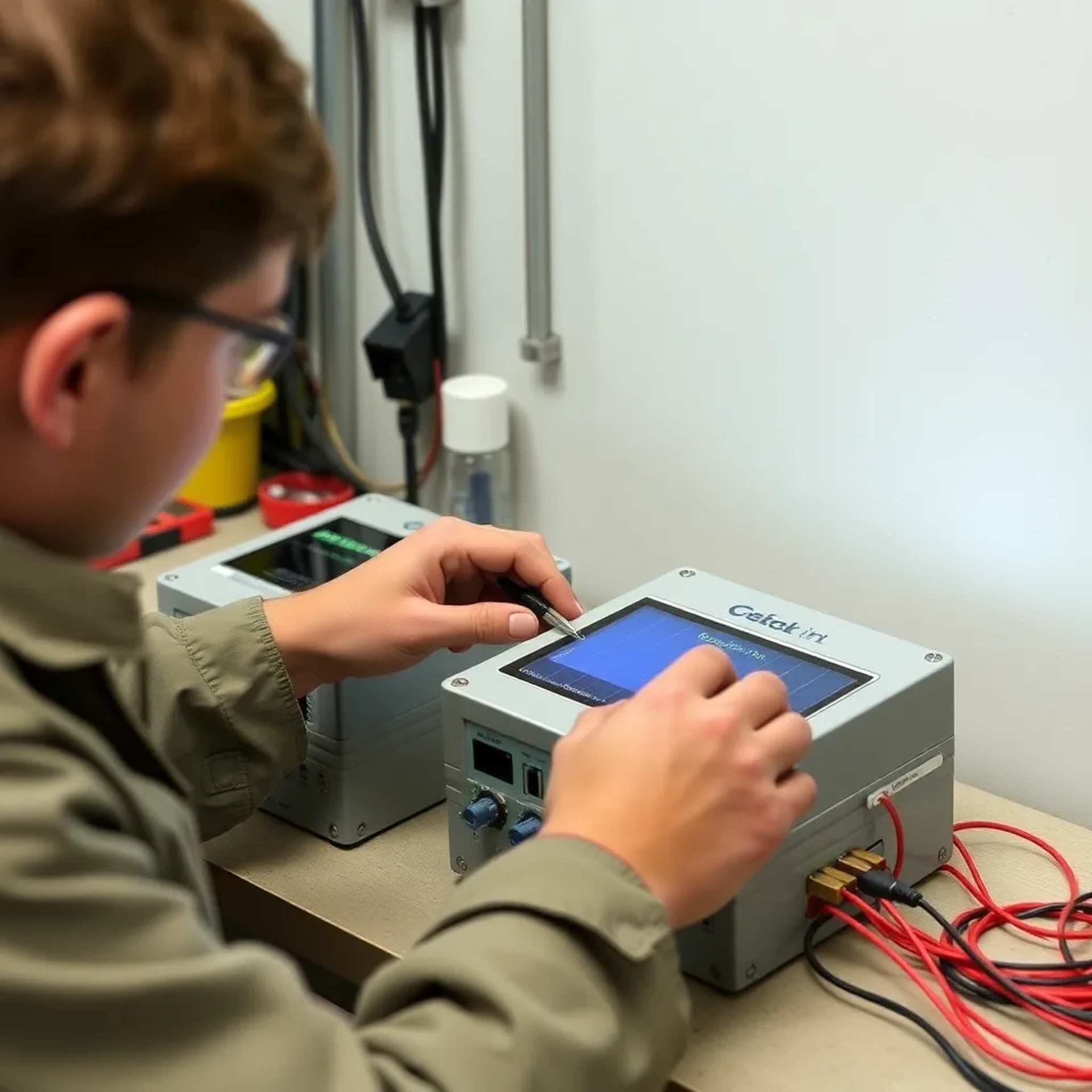
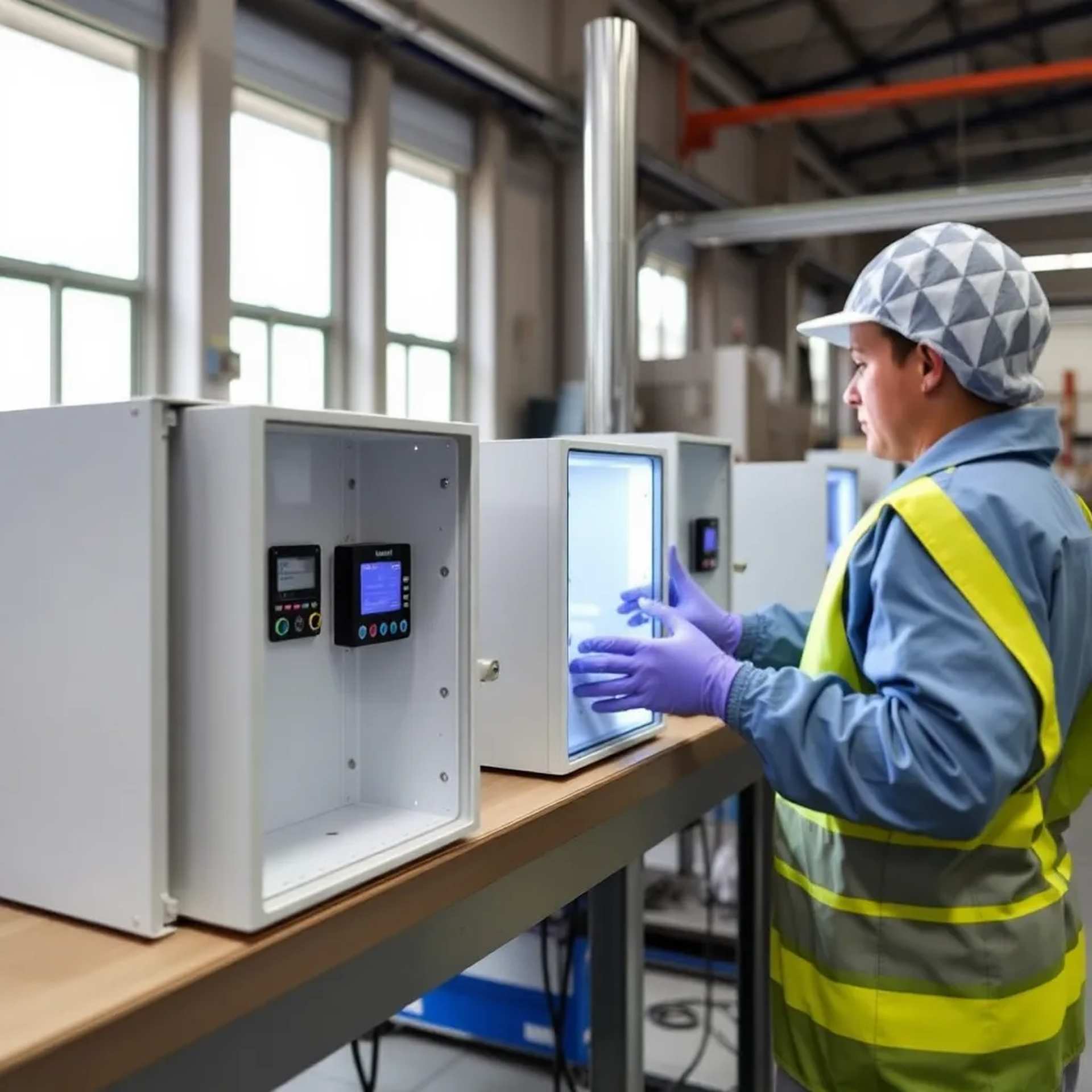
Installation Best Practices

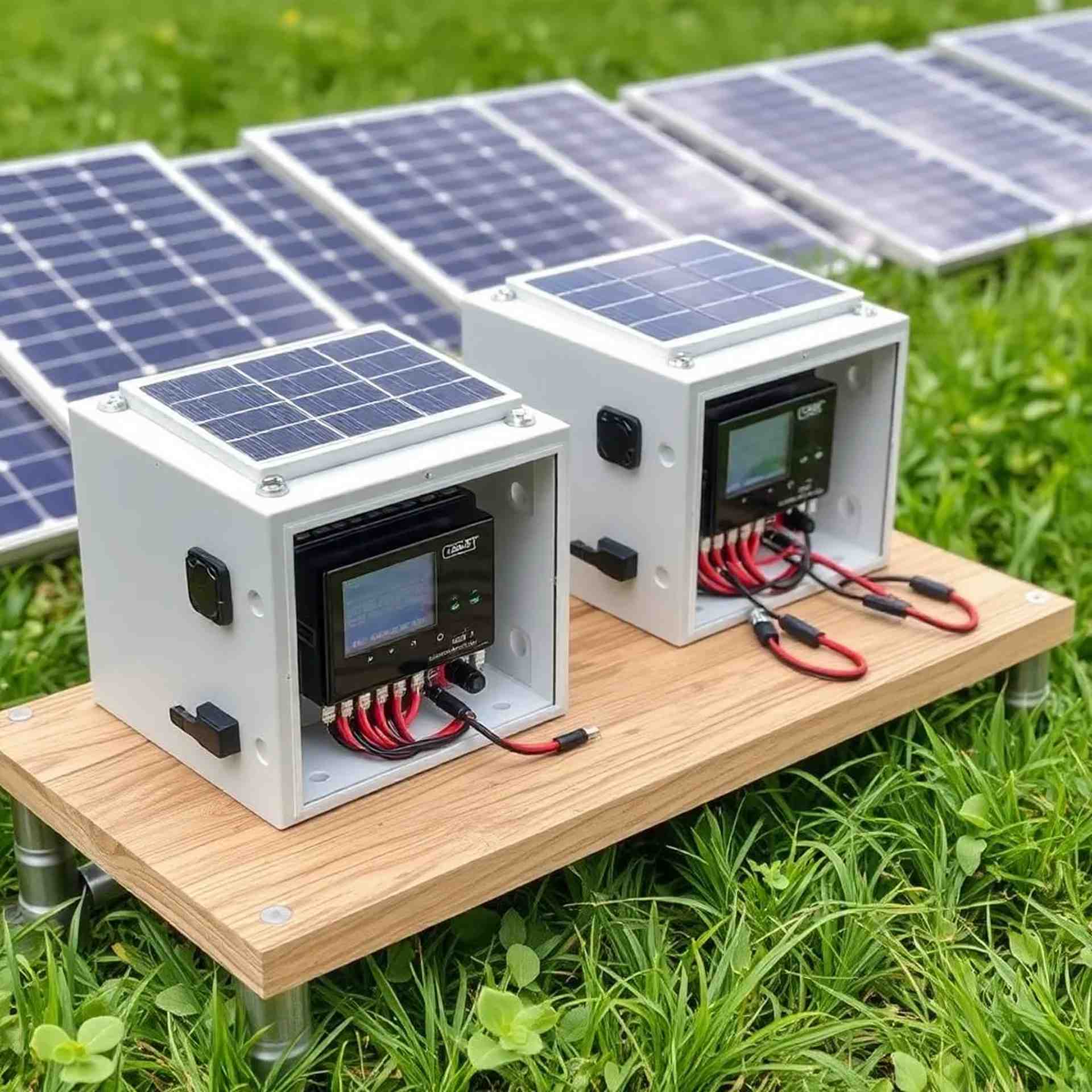
Installation Best Practices for Solar Enclosures

Proper installation ensures maximum protection and longevity. Follow these professional guidelines for mounting and sealing your solar controller enclosures.

Read More →

Pre-Installation Checklist

  • Verify enclosure dimensions match controller specifications
  • Inspect mounting surface for structural integrity
  • Ensure adequate clearance for cable routing
  • Check that all gaskets and seals are intact
  • Prepare cable entry points before mounting

Mounting Guidelines

Mount enclosures on solid, level surfaces away from direct water runoff. Use stainless steel hardware rated for outdoor use. Maintain minimum 50mm clearance from walls for ventilation. Orient cable entries downward to prevent water ingress.

Sealing and Weatherproofing

Apply silicone sealant around all cable entries after installation. Use only marine-grade sealants rated for continuous UV exposure. Inspect gaskets annually and replace if compression set exceeds 20%. Torque cover screws evenly to manufacturer specifications to maintain even gasket pressure.

Maintenance Guide

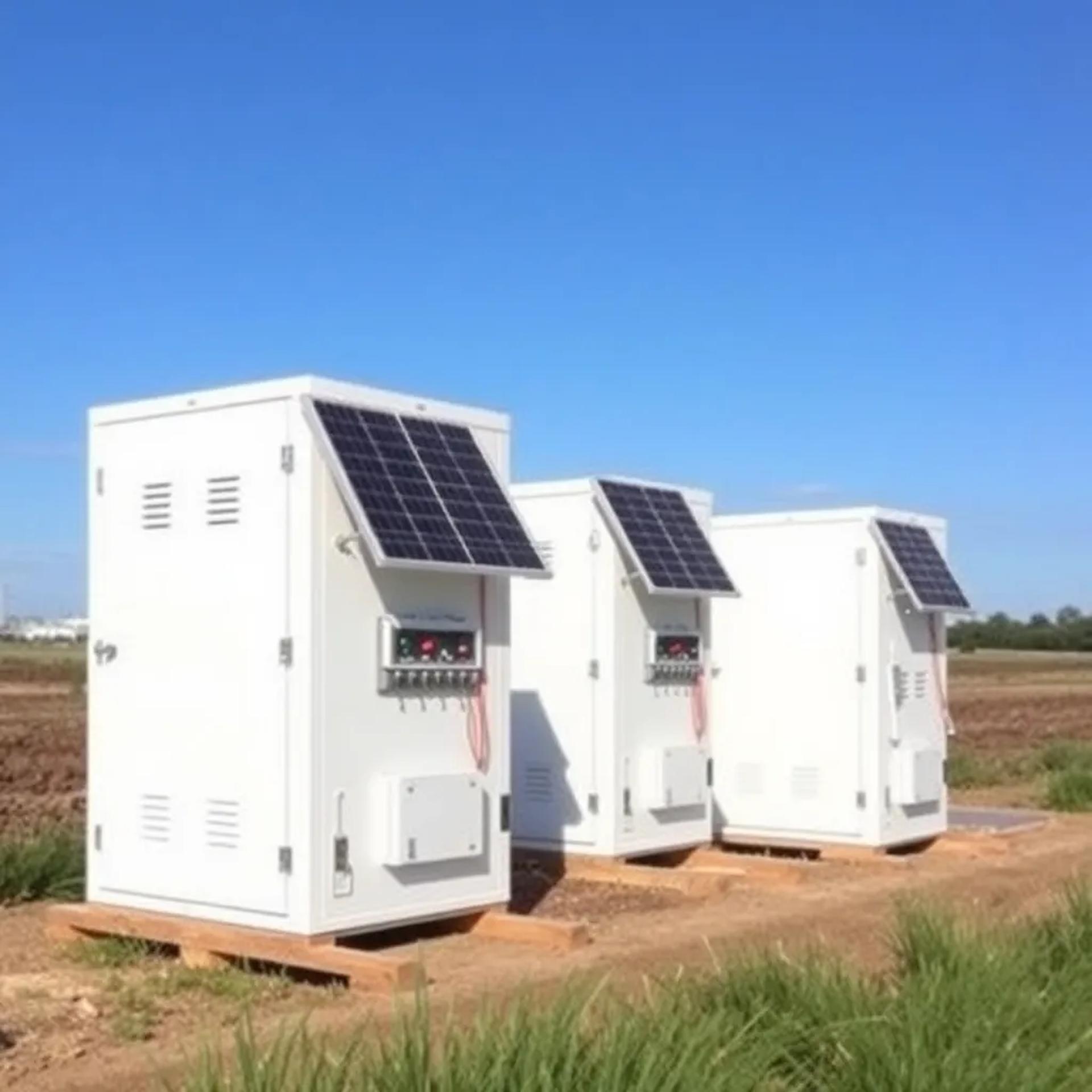
Annual Maintenance Guide for Solar Enclosures

Regular maintenance extends enclosure life and ensures continued protection. Discover the essential maintenance tasks every solar professional should perform annually.

Read More →

Annual Inspection Schedule

Perform comprehensive inspections at least once annually, ideally before the monsoon season. More frequent inspections recommended for coastal installations due to salt exposure.

Inspection Checklist

  • Check all gaskets for compression set or cracking
  • Inspect cable glands for proper seal integrity
  • Verify mounting hardware torque specifications
  • Clean ventilation openings of debris and insect nests
  • Examine interior for condensation or water ingress
  • Test door/cover alignment and locking mechanism

Cleaning Procedures

Clean exterior surfaces with mild soap and water. Avoid abrasive cleaners that damage UV coatings. Rinse thoroughly and dry before resealing. Clean interior annually using compressed air to remove dust without introducing moisture.

Industry Standards

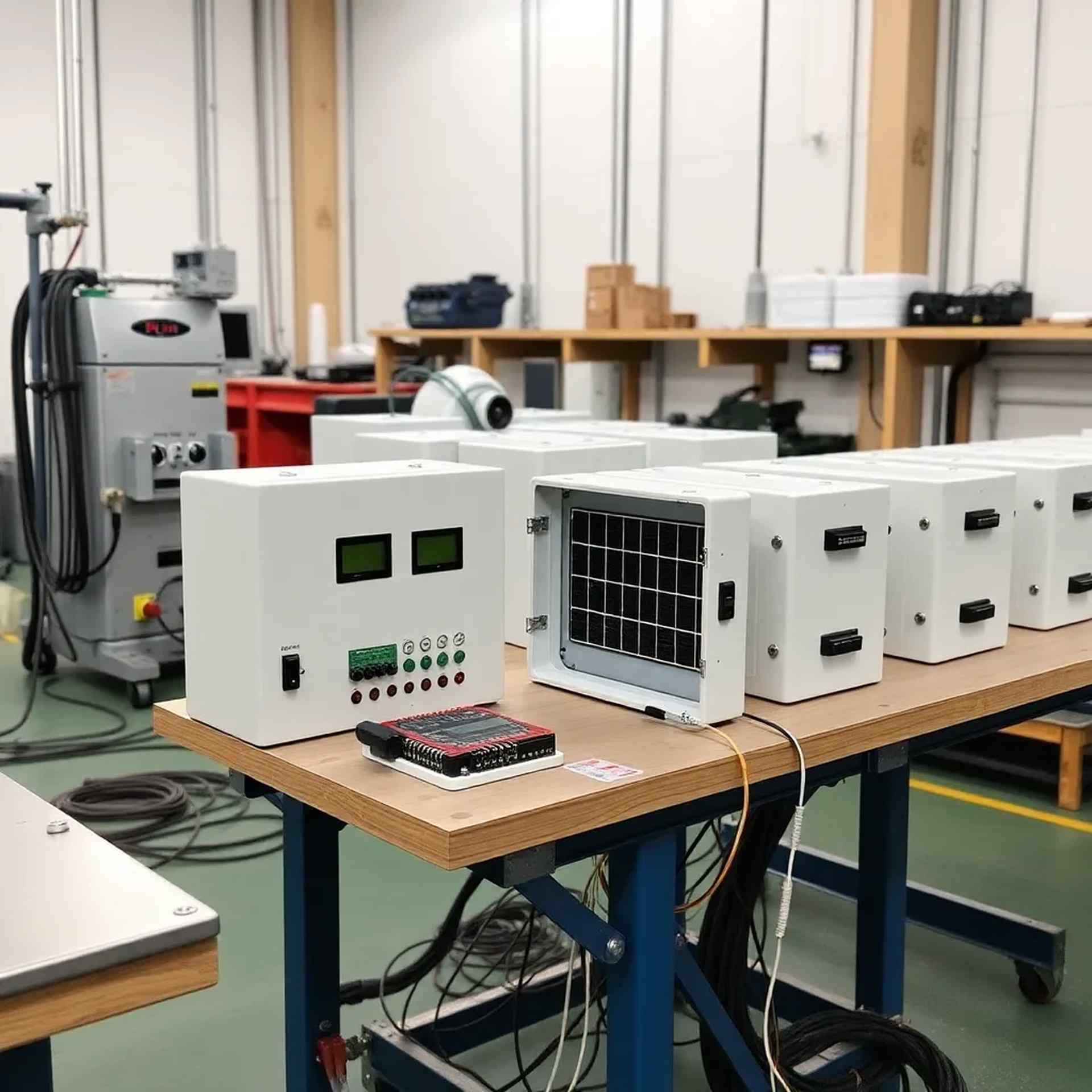
Understanding IP Ratings for Solar Equipment

IP ratings define protection levels against environmental factors. Learn what different ratings mean and which is appropriate for your installation location.

Read More →

IP Rating Breakdown

IP (Ingress Protection) ratings consist of two digits. The first indicates solid particle protection (0-6), the second indicates liquid protection (0-8). For solar installations, the second digit is critical.

Recommended Ratings by Location

  • IP65: Suitable for covered outdoor locations, protected from direct rain
  • IP66: Recommended for exposed outdoor installations in most of Malaysia
  • IP67: Required for installations subject to temporary immersion (flood-prone areas)
  • IP68: Necessary for permanent underwater or extreme submersion conditions

Malaysian Climate Considerations

Malaysia's heavy rainfall and high humidity require minimum IP65 rating for all outdoor solar equipment. Coastal installations should use IP66 or higher due to salt spray. Our enclosures exceed minimum standards to ensure long-term reliability in tropical conditions.

Material Selection

Enclosure Materials: Polycarbonate vs ABS vs Fiberglass

Different materials offer distinct advantages. Compare the properties of common enclosure materials to make an informed decision for your project.

Read More →

Polycarbonate Enclosures

Advantages: Excellent UV resistance, high impact strength, transparent options available for visual inspection, cost-effective for residential applications.

Best For: Residential installations, locations requiring visual inspection without opening, budget-conscious projects.

ABS Enclosures

Advantages: Superior chemical resistance, excellent dimensional stability, better heat resistance than polycarbonate, professional appearance.

Best For: Commercial installations, environments with chemical exposure, applications requiring precise dimensions.

Fiberglass Reinforced Enclosures

Advantages: Highest mechanical strength, excellent corrosion resistance, maintains properties in extreme temperatures, longest service life.

Best For: Industrial installations, coastal environments, high-vibration applications, maximum durability requirements.

Cable Management

Professional Cable Management Techniques

Proper cable routing prevents damage and maintains enclosure integrity. Master these professional techniques for clean, reliable installations.

Read More →

Cable Entry Best Practices

  • Always route cables from bottom or sides, never from top
  • Use appropriately sized cable glands for each cable diameter
  • Maintain drip loops below entry points to prevent water ingress
  • Group cables by voltage level (AC separate from DC)
  • Leave service loops inside enclosure for future maintenance

Interior Organization

Use cable ties or DIN rail mounting systems to secure cables inside enclosures. Maintain separation between power and signal cables. Label all connections for future servicing. Ensure no cables contact sharp edges or moving parts.

Weatherproofing Cable Entries

Apply marine-grade silicone sealant around all cable entries after gland installation. Ensure gland compression nuts are tightened to manufacturer specifications. Test seal integrity with water spray before final controller installation.